Category: Soup

  • Italian Chicken Gnocchi Soup: Creamy, Cozy & Irresistibly Delicious!

    Italian Chicken Gnocchi Soup: Creamy, Cozy & Irresistibly Delicious!

    Italian Chicken Gnocchi Soup: Creamy, Cozy & Irresistibly Delicious!

    Italian Chicken Gnocchi Soup has become my ultimate comfort food ritual on those chilly evenings when nothing else will do. There’s something magical about the way those pillowy potato dumplings swim alongside tender chicken and vibrant veggies in a creamy, herb-infused broth. I discovered this recipe during a particularly harsh winter in Vermont, and it’s been my go-to ever since. The Italian-inspired flavors transport me straight to a cozy trattoria, even when I’m just curled up on my sofa with my favorite blue ceramic bowl. If you’re craving something that warms both body and soul, this hearty soup recipe is exactly what you need.

    Recipe

    Why You’ll Love This Italian Chicken Gnocchi Soup

    Comfort Food Perfection

    This soup hits all the right notes with its velvety texture and soul-warming properties. The combination of tender chicken, pillowy gnocchi, and savory broth creates that perfect comfort food trifecta. I love how the cream adds richness without making it heavy—it’s substantial enough to be a meal but won’t weigh you down. On days when the wind howls outside my kitchen window, I find myself chopping vegetables with anticipation, knowing that each spoonful will bring that familiar feeling of contentment that only truly good food can provide. It’s like a warm hug in a bowl!

    Quick and Impressive Results

    One of the best things about this Italian Chicken Gnocchi Soup is how it delivers restaurant-quality flavor in just about 30 minutes. When my sister dropped by unexpectedly last month, I whipped this up from pantry staples, and she was convinced I’d been cooking all day! The pre-made gnocchi is the secret time-saving hero here. I love watching people’s expressions when they take that first bite—eyes closing slightly as they savor the herbaceous broth and tender chicken. For busy weeknights or impromptu gatherings, this soup consistently proves that delicious doesn’t have to mean complicated.

    Essential Tips & Tricks

    Perfecting Your Broth Base

    The soul of this soup lies in its flavorful foundation. I always start by sautéing my aromatics (onion, carrots, celery) until they’re just softened but not browned—about 5 minutes is perfect. This releases their essential oils and creates depth. Adding a splash of white wine and letting it reduce before adding broth brings a subtle acidity that balances the cream beautifully. Don’t rush this step! I’ve learned that those extra 2-3 minutes of simmering make all the difference between a good soup and an exceptional one. The aroma that fills my kitchen during this process is simply intoxicating.

    Working With Gnocchi

    The pillowy gnocchi deserves special attention to ensure soup perfection. Store-bought varieties work wonderfully, but pay attention to cooking times—they can vary significantly between brands. I add mine during the final 3-4 minutes of cooking to prevent them from becoming mushy. For a lighter version that still maintains that satisfying chew, try cauliflower gnocchi. Remember that gnocchi will continue absorbing liquid as the soup sits, so if you’re making it ahead, consider cooking the gnocchi separately and adding it just before serving. This small step preserves that perfect texture we all crave.

    Serving Ideas & Creative Variations

    Complementary Sides

    Elevate your Italian Chicken Gnocchi Soup experience with thoughtfully chosen sides. A rustic bread with a crackling crust is perfect for sopping up every last drop of that creamy broth—my sourdough loaf is the ideal companion. For a complete meal, pair with a simple arugula salad dressed with lemon and Parmesan; the peppery greens and bright acidity cut through the soup’s richness beautifully. When hosting dinner parties, I serve the soup in shallow bowls with a drizzle of high-quality olive oil and a sprinkle of fresh herbs for a presentation that always impresses without requiring extra effort.

    Exciting Flavor Twists

    Don’t be afraid to make this Italian Chicken Gnocchi Soup your own with creative variations. Swap the chicken for Italian sausage for a more robust flavor profile—the fennel and herbs in the sausage add wonderful complexity. For a seafood twist, replace the chicken with shrimp added in the final minutes of cooking. My vegetarian friends rave about my version with cannellini beans and kale instead of chicken. During summer months, I stir in fresh corn kernels and cherry tomatoes for seasonal brightness. The versatility of this recipe means it can evolve with your cravings and what’s available in your pantry or garden.

    Storage & Troubleshooting Guide

    Proper Storage Methods

    Storing this Italian Chicken Gnocchi Soup properly ensures you’ll enjoy those comforting flavors for days to come. Allow it to cool completely before transferring to airtight containers—I divide mine into individual portions for grab-and-go lunches. In the refrigerator, it keeps beautifully for 3-4 days. For freezing, I recommend a slightly different approach: freeze the soup base without the gnocchi and cream, then add fresh gnocchi and cream when reheating. This prevents the gnocchi from becoming waterlogged and the cream from separating. The aroma that fills my kitchen when reheating is almost as wonderful as the first time around!

    Fixing Common Issues

    Even experienced cooks encounter soup challenges, but they’re easily remedied. If your soup is too thick, simply thin it with additional chicken broth until it reaches your desired consistency. Too thin? Create a slurry with 1 tablespoon cornstarch and 2 tablespoons cold water, then stir it in while the soup simmers. If your gnocchi turned mushy, try adding a fresh batch to individual servings when reheating. For cream that’s separated after freezing, remove from heat and whisk vigorously, or blend a small portion then stir it back in. These simple fixes have saved my soup on numerous occasions!

    Frequently Asked Questions

    Can I make Italian Chicken Gnocchi Soup ahead of time?

    Absolutely! Prepare the soup without adding the gnocchi and cream. Refrigerate for up to 3 days, then reheat gently and add fresh gnocchi and cream just before serving for the best texture and flavor.

    What’s the best substitute for cream in this recipe?

    Unsweetened coconut milk or cashew cream work beautifully as dairy-free alternatives. For a lighter option, try evaporated milk or a mixture of whole milk with a tablespoon of butter for richness.

    Can I use frozen vegetables in my soup?

    Yes! Frozen vegetable blends save time without sacrificing quality. Add them directly from frozen, but adjust cooking time slightly as they’ll release additional moisture into your soup.

    Is homemade gnocchi worth the effort for this soup?

    While store-bought gnocchi works perfectly, homemade adds a special touch for special occasions. The pillowy texture is unmatched, but save this project for weekends when you have extra time.

    How can I increase the protein in Italian Chicken Gnocchi Soup?

    Boost protein by adding white beans, increasing the chicken amount, or stirring in a beaten egg during the final minutes (tempering first to prevent curdling). Each option adds richness without altering the classic flavor.

    Final Thoughts

    This Italian Chicken Gnocchi Soup has become more than just a recipe in my collection—it’s a reliable friend that never disappoints. The way the creamy broth embraces those pillowy potato dumplings and tender chicken creates something truly magical in its simplicity. I find myself returning to it season after season, sometimes following the recipe exactly, other times playing with new variations. I’d love to see how you make it your own! Share your creations on Pinterest and tag me—I’m always inspired by how others interpret this beloved comfort classic.

  • Crack Chicken Chili Soup: Irresistibly Cozy & Flavor-Packed!

    Crack Chicken Chili Soup: Irresistibly Cozy & Flavor-Packed!

    Crack Chicken Chili Soup: Irresistibly Cozy & Flavor-Packed!

    This crack chicken chili soup is what comfort food dreams are made of, friends. On those evenings when the wind howls outside and all you want is something that warms you from the inside out, this is your answer. I discovered this recipe during a particularly brutal winter in Minnesota, and it’s been my go-to ever since. The combination of tender chicken, creamy cheese, crispy bacon, and hearty beans creates a soul-satisfying bowl that’s both indulgent and nourishing. Trust me, the rich, velvety texture paired with that slight ranch kick will have everyone asking for seconds!

    Recipe

    Why You’ll Love This Crack Chicken Chili Soup

    Perfect Comfort Food Balance

    This soup strikes that magical balance between hearty and creamy without being too heavy. The first time I made it, my kitchen filled with the most intoxicating aroma of bacon and ranch seasonings melding together. I love how the cream cheese melts into the broth, creating this silky texture that coats each spoonful. The ranch seasoning adds depth without overpowering, while the bacon brings that smoky note that makes you close your eyes with each bite. It’s the kind of recipe that feels like a warm hug on a cold day.

    Quick and Adaptable for Busy Days

    What makes this crack chicken chili soup a true weeknight hero is how wonderfully adaptable it is to your schedule. I’ve made it on busy Thursdays when I only had 30 minutes before heading out to my son’s basketball game, and I’ve let it simmer all day in the slow cooker when time was more forgiving. You can use rotisserie chicken to save time or cook chicken breasts from scratch if you prefer. The beauty lies in how it bends to fit your life while still delivering that incredible flavor that tastes like you’ve been cooking all day.

    Essential Tips & Tricks

    Achieving the Perfect Consistency

    The secret to that velvety texture we all crave comes down to how you incorporate the cream cheese. Rather than dropping it in cold, I always let it sit at room temperature for about 30 minutes before adding it. Then, I whisk it separately with a ladle of hot broth before stirring it back into the pot. This prevents those frustrating little lumps and creates a perfectly smooth soup. For an even richer result, try using a hand blender to partially blend some of the beans – it creates a naturally thicker base without adding extra ingredients.

    Flavor-Building Strategies

    The depth of flavor in this crack chicken noodle soup crockpot version comes from layering ingredients at the right time. Always start by cooking your bacon until crisp, then use that flavorful fat to sauté your onions and garlic – this simple step infuses everything with that smoky essence. If you’re using a slow cooker, still take those five minutes to do this step separately before transferring everything. For an extra flavor boost, add a tablespoon of better-than-bouillon chicken base along with your regular broth – it’s my secret weapon for restaurant-quality depth.

    Serving Ideas & Creative Variations

    Toppings That Elevate Each Bowl

    The right toppings transform this crack chicken chili soup from delicious to absolutely memorable. My family has a whole topping bar when I serve this: extra crispy bacon bits, freshly shredded cheddar that melts into little strings, thinly sliced green onions for brightness, and a dollop of sour cream that slowly melts into the hot soup. For a bit of texture contrast, try crushed tortilla chips or even Fritos. My personal favorite? A few slices of fresh avocado and a squeeze of lime that cuts through the richness and brightens every spoonful.

    Creative Twists on the Classic

    This soup is the perfect canvas for making it uniquely yours. For a southwestern twist, add a can of fire-roasted tomatoes and a small can of diced green chiles. Need more vegetables? Diced bell peppers, corn, or even some finely chopped kale fold in beautifully. For a spicier version that my husband adores, I add a tablespoon of chipotle in adobo sauce and a dash of smoked paprika. You can even swap the chicken for ground turkey or beef if that’s what you have on hand – the flavor foundation remains irresistible.

    Storage & Troubleshooting Guide

    Proper Storage for Maximum Flavor

    This soup actually gets even better the next day as the flavors continue to meld. Store it in airtight containers in the refrigerator for up to 4 days. When reheating, do it gently over medium-low heat, stirring occasionally to prevent the dairy from separating. If you’re planning to freeze portions, I recommend doing so before adding the cream cheese, then incorporating it fresh when you reheat. If you do freeze the completed soup, expect some texture changes – a quick hit with an immersion blender when reheating can help restore that creamy consistency.

    Fixing Common Issues

    If your soup ends up thinner than you’d like, don’t panic! The easiest fix is to make a quick cornstarch slurry – mix 1 tablespoon cornstarch with 2 tablespoons cold water, then stir it into the simmering soup until it thickens. If your cream cheese creates unwanted lumps, remove the soup from heat and whisk vigorously, or use that immersion blender I mentioned. For soup that’s too thick, simply add more chicken broth until you reach your desired consistency. And if the flavor seems a bit flat, a splash of vinegar or fresh lemon juice can brighten everything up.

    Frequently Asked Questions

    Can I make crack chicken chili soup in an Instant Pot?

    Absolutely! Use the sauté function for the bacon and vegetables first, then add remaining ingredients except cream cheese. Pressure cook on high for 10 minutes, quick release, then stir in softened cream cheese until melted.

    Is this soup gluten-free?

    Yes, as long as you verify your ranch seasoning and broth are gluten-free. Always check labels as ingredients can vary by brand.

    Can I use frozen chicken?

    Yes! If using a slow cooker, add 1-2 hours to the cooking time. For stovetop, thaw first for even cooking.

    How can I make this soup lower in calories?

    Use light cream cheese, turkey bacon, and reduced-fat cheese. You can also increase the beans and vegetables while slightly reducing the meat portion.

    What’s the best way to thicken the soup if it’s too thin?

    A cornstarch slurry works wonderfully. Mix 1 tablespoon cornstarch with 2 tablespoons cold water, then stir into simmering soup until it reaches your desired thickness.

    Final Thoughts

    This crack chicken chili soup has become more than just a recipe in my household—it’s a tradition that signals comfort and togetherness. The way it fills our home with those irresistible aromas of bacon, ranch, and simmering goodness never fails to bring everyone to the table with eager anticipation. I hope it brings the same warmth and joy to your family table as it has to mine. For more cozy comfort food inspiration, be sure to check out my Pinterest collection where I’m always adding new seasonal favorites!

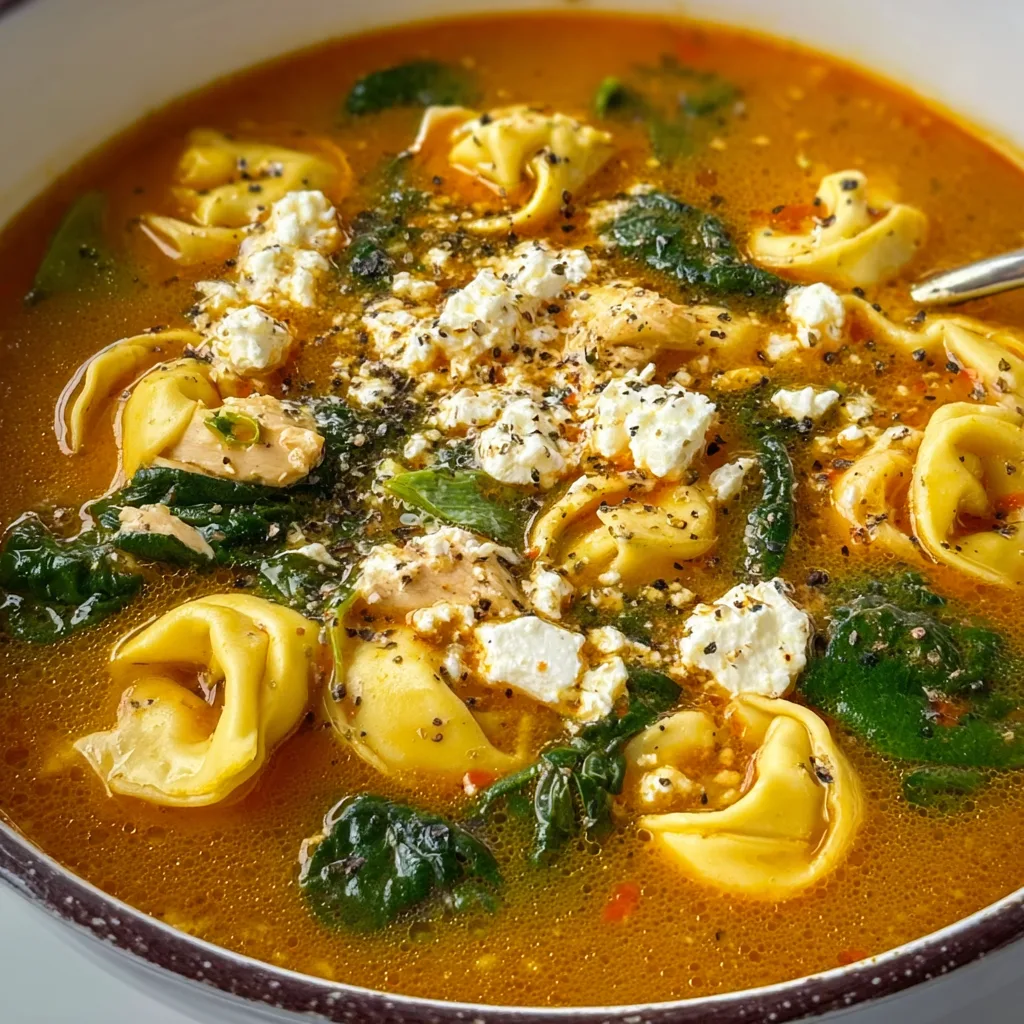
  • Mediterranean Tortellini Soup with Spinach, Feta & Chicken — Irresistible!

    Mediterranean Tortellini Soup with Spinach, Feta & Chicken — Irresistible!

    Mediterranean Tortellini Soup with Spinach, Feta & Chicken — Irresistible!

    There’s something magical about Mediterranean Tortellini Soup with Spinach, Feta, & Chicken that speaks directly to my soul on chilly evenings. The first time I made this soup, my kitchen filled with the aromatic blend of herbs and garlic that transported me straight to a seaside taverna. This hearty yet fresh soup combines pillowy cheese tortellini, tender chicken, vibrant spinach, and creamy feta cheese in a tomato-infused broth that’s both nourishing and comforting. I’ve perfected this recipe over countless family dinners, and I’m thrilled to share my version that balances authentic Mediterranean flavors with everyday convenience.

    Recipe

    Why You’ll Love This Mediterranean Tortellini Soup with Spinach, Feta, & Chicken

    A One-Pot Wonder for Busy Weeknights

    This Mediterranean tortellini soup is the ultimate time-saving miracle for those hectic evenings when you need something substantial but don’t have hours to spend in the kitchen. I discovered this recipe during my busiest season at work, and it quickly became my salvation. The beauty lies in its simplicity—everything comes together in just one pot, meaning fewer dishes and more time to unwind. The soup takes only about 30 minutes from start to finish, yet tastes like it’s been simmering all day, with layers of flavor that will make your taste buds dance.

    Nutritional Powerhouse with Mediterranean Benefits

    Beyond its incredible taste, this soup packs a serious nutritional punch. The Mediterranean diet is consistently rated as one of the healthiest eating patterns, and this soup embodies its principles perfectly. Lean protein from the chicken keeps you satisfied, while spinach delivers iron, vitamins, and antioxidants. The tomato broth contains lycopene for heart health, and the modest amount of feta adds calcium without excessive calories. I love that I can serve my family something that’s both deliciously crave-worthy and supports our wellbeing in one steaming, aromatic bowl.

    Essential Tips & Tricks

    Perfecting the Broth Base

    The soul of any great soup is its broth foundation, and this Mediterranean tortellini soup is no exception. I learned through trial and error that starting with a quick flavor base—sautéing onions, garlic, and herbs in olive oil until fragrant—creates depth that can’t be rushed. For maximum flavor, deglaze the pot with a splash of white wine before adding your broth. If you’re short on time, quality store-bought chicken stock works beautifully, but homemade takes it to another level. Don’t skip the pinch of red pepper flakes—they add warmth without overwhelming heat that perfectly balances the tomato acidity.

    Tortellini Timing Matters

    The most common mistake I see with this soup is overcooking the tortellini. These delicate pasta pillows need special attention! Add them to the simmering broth just 5-7 minutes before serving, depending on whether you’re using fresh, frozen, or dried varieties. They’ll continue cooking slightly after you remove the pot from heat. For meal prep, I recommend keeping the cooked tortellini separate from the broth until serving time—this prevents them from absorbing too much liquid and becoming mushy. This technique is similar to how I prepare my Homemade Chicken Ramen, keeping components separate for the best texture.

    Serving Ideas & Creative Variations

    Mediterranean-Inspired Accompaniments

    Elevate your Mediterranean tortellini soup experience with thoughtfully chosen complementary sides. A chunk of crusty sourdough bread for dipping is non-negotiable in my house—it’s perfect for soaking up every last drop of that flavorful broth! For a complete Mediterranean feast, serve alongside a simple Greek salad with cucumber, tomatoes, red onion, and olives dressed with lemon and olive oil. When entertaining, I start with Cream Cheese Avocado Bacon Bites as an appetizer before revealing this spectacular soup as the main attraction. The contrast of cool appetizer and warm, aromatic soup creates a memorable dining experience.

    Seasonal Adaptations Worth Trying

    One reason I return to this Mediterranean tortellini soup repeatedly is its incredible versatility across seasons. In summer, I lighten it up with yellow squash, zucchini, and fresh basil from my garden, using less broth for a more stew-like consistency. Fall calls for adding roasted butternut squash cubes and a sprinkle of toasted pine nuts. For a vegetarian version, substitute white beans for chicken and use vegetable broth. My personal favorite variation includes a handful of chopped kalamata olives and artichoke hearts added during the last few minutes of cooking—these briny additions create irresistible pops of flavor against the savory broth.

    Storage & Troubleshooting Guide

    Proper Storage for Maximum Freshness

    This Mediterranean tortellini soup makes exceptional leftovers when stored correctly. For best results, refrigerate the soup in airtight containers within two hours of cooking. It keeps beautifully for 3-4 days, with flavors that actually improve overnight as they meld together. When freezing, I recommend a slightly different approach—freeze the broth base without the tortellini and spinach, then add fresh elements when reheating. If you do freeze the complete soup, use within 2 months and be aware the tortellini texture may change slightly, though the flavor remains delicious.

    Fixing Common Soup Dilemmas

    Even experienced cooks occasionally encounter soup challenges, but most are easily resolved. If your soup seems too thin, simmer uncovered for 5-10 additional minutes to reduce and concentrate flavors. Conversely, if it’s too thick, add chicken broth in ¼-cup increments until you reach your desired consistency. Bland soup? Try adding a squeeze of fresh lemon juice, which brightens all the flavors, or stir in an extra tablespoon of tomato paste for depth. If the spinach has turned an unappealing color, don’t worry—this is just oxidation and doesn’t affect taste. Next time, add it just before serving.

    Frequently Asked Questions

    Can I make Mediterranean Tortellini Soup with Spinach, Feta, & Chicken ahead of time?

    Absolutely! Prepare the soup base without tortellini and spinach up to 2 days ahead. When ready to serve, reheat the broth, add tortellini until tender, then stir in spinach and feta just before serving.

    Is this soup freezer-friendly?

    Yes, but freeze only the broth with chicken, without tortellini, spinach or feta. These ingredients are best added fresh when reheating for optimal texture and flavor.

    Can I use a different type of pasta?

    Certainly! Small pasta shapes like orzo, ditalini, or small shells work beautifully. Adjust cooking time according to package directions for the pasta you choose.

    What’s the best chicken to use?

    Rotisserie chicken provides excellent flavor and convenience. Alternatively, quickly poach 2 boneless chicken breasts in the broth before adding other ingredients, then shred and return to the soup.

    How can I make this soup vegetarian?

    Replace chicken with a can of drained cannellini beans or chickpeas, and use vegetable broth instead of chicken broth. The feta can remain for a vegetarian version.

    Final Thoughts

    This Mediterranean Tortellini Soup with Spinach, Feta, & Chicken has become more than just a recipe in my household—it’s a reliable comfort that bridges the gap between nutritious and delicious. I find myself returning to it whenever I need a meal that feels like a warm hug but doesn’t require hours in the kitchen. The Mediterranean flavors transport us somewhere sunny and serene, even on the dreariest days. I hope this soup brings the same joy to your table as it has to mine. For more cozy inspiration, visit my Pinterest board where I’m always adding new Mediterranean-inspired recipes!

  • Shepherd’s Pie Soup Recipe That Warms Your Soul Instantly

    Shepherd’s Pie Soup Recipe That Warms Your Soul Instantly

    Shepherd’s Pie Soup Recipe That Warms Your Soul Instantly

    Shepherd’s Pie Soup transforms the classic comfort dish into a hearty, spoonable delight that warms you from the inside out. The first time I made this soul-satisfying soup on a blustery winter evening, my kitchen filled with the most incredible aroma of herbs, beef, and vegetables simmering together. There’s something magical about how this recipe captures all the familiar flavors of traditional shepherd’s pie—savory ground meat, sweet carrots, earthy peas—but in a wonderfully cozy soup form. It’s like wrapping yourself in your favorite blanket, only it’s edible! Perfect for those nights when you crave comfort but want something a bit lighter than the classic casserole version found in my beef and barley soup recipe.

    Recipe

    Why You’ll Love This Shepherd’s Pie Soup

    A Complete Meal in One Pot

    This Shepherd’s Pie Soup isn’t just delicious—it’s practical. Everything simmers together in one glorious pot, meaning fewer dishes and more time to enjoy your evening. The rich broth becomes infused with rosemary and thyme, while tender chunks of potato provide that satisfying heartiness that makes shepherd’s pie so beloved. I love watching my family’s faces light up as they dip their spoons in and discover all the layers of flavor. Plus, with protein, vegetables, and starch all swimming together, you’ve got a complete nutritional profile without any fuss.

    Versatile and Adaptable

    What I adore about this Shepherd’s Pie Soup is how easily it bends to your preferences. Traditional ground lamb gives the most authentic flavor, but ground beef works beautifully too. Vegetarians can swap in lentils or a plant-based meat alternative without sacrificing that rich, satisfying texture. My neighbor tried it with ground turkey and added a splash of Worcestershire sauce for depth—she said it was a hit with her picky teenagers! The vegetables are equally flexible; I’ve tossed in leftover roasted Brussels sprouts, corn, or whatever was hiding in my produce drawer, and it’s always turned out wonderfully.

    Essential Tips & Tricks

    Building Deep Flavor Foundations

    The secret to an exceptional Shepherd’s Pie Soup lies in layering flavors from the very beginning. Don’t rush the browning of your meat—those caramelized bits on the bottom of the pot are pure gold for your soup’s flavor profile. I learned this the hard way after once hurrying through this step! Take your time sautéing the onions until they’re translucent and slightly golden. A splash of red wine (optional but recommended) helps deglaze the pan and adds wonderful complexity. For an extra umami boost, add a tablespoon of tomato paste and let it cook for a minute before adding your liquids, just like in my French onion short rib soup.

    Perfecting the Texture

    Achieving the ideal texture in your Shepherd’s Pie Soup requires a bit of finesse with the potatoes and thickening. Choose waxy potatoes like Yukon Golds that hold their shape when simmered. Cut them into uniform 1/2-inch cubes so they cook evenly. For the signature shepherd’s pie thickness, you have options: a simple flour slurry works beautifully, but for a more authentic touch, I sometimes mash a few potato cubes against the side of the pot. This releases their starch naturally into the broth. The soup should coat your spoon nicely without being gluey—think silky and substantial rather than thick and pasty.

    Serving Ideas & Creative Variations

    Delightful Garnishes

    Elevate your Shepherd’s Pie Soup with thoughtful toppings that echo the classic casserole version. My favorite way to serve this is with a small dollop of mashed potatoes floating on top—it’s like the best part of shepherd’s pie in every spoonful! Crispy fried onions add wonderful texture contrast, while a sprinkle of sharp cheddar slowly melting into the hot soup creates pockets of creamy goodness. For special occasions, I’ve been known to pipe rosettes of mashed potatoes onto each bowl and run them under the broiler for a minute, creating a beautiful golden crust that makes everyone reach for their phones to snap a picture before digging in.

    Seasonal Adaptations

    This Shepherd’s Pie Soup transforms beautifully with the changing seasons. In spring, I lighten it up with fresh peas, tender asparagus tips, and a handful of chopped fresh herbs. Summer versions welcome zucchini and fresh corn kernels. Fall calls for diced butternut squash and a hint of nutmeg. Winter versions get heartier with extra root vegetables and perhaps a splash of cream. During the holidays, I serve it alongside my Italian herbs and cheese bread for a meal that feels special yet comforting. The versatility makes this soup a year-round favorite that never feels repetitive.

    Storage & Troubleshooting Guide

    Proper Storage Techniques

    Shepherd’s Pie Soup actually improves with time as the flavors meld together, making it perfect for meal prep Sundays. Allow the soup to cool completely before transferring to airtight containers—I divide mine into single-serving portions for easy lunches. It keeps beautifully in the refrigerator for up to 4 days. For longer storage, freeze for up to 3 months. One tip I’ve learned: the potatoes can sometimes get a bit mealy after freezing, so if you know you’ll be freezing a batch, consider slightly undercooking them. When reheating, do so gently over medium-low heat, stirring occasionally to prevent scorching.

    Fixing Common Issues

    Even experienced cooks encounter soup challenges! If your Shepherd’s Pie Soup seems too thin or watery, don’t panic. Make a quick slurry with 1 tablespoon cornstarch and 2 tablespoons cold water, then stir it into the simmering soup until it reaches your desired thickness. Conversely, if it’s too thick, gradually add more broth until you reach the perfect consistency. Bland flavor is easily fixed with a splash of Worcestershire sauce, a teaspoon of Better Than Bouillon, or my secret weapon—a parmesan rind simmered in the broth. Remember that potatoes absorb salt, so you may need to adjust seasoning after they’ve cooked through.

    Frequently Asked Questions

    Can I make Shepherd’s Pie Soup in a slow cooker?

    Absolutely! Brown the meat and sauté the vegetables first, then transfer everything to your slow cooker. Cook on low for 6-7 hours or high for 3-4 hours, adding the peas in the last 30 minutes.

    What’s the difference between Shepherd’s Pie Soup and Cottage Pie Soup?

    Traditional Shepherd’s Pie Soup uses ground lamb, while Cottage Pie Soup uses ground beef. Both are delicious, so use whichever meat you prefer or have on hand.

    Can I make this soup vegetarian?

    Yes! Substitute the meat with lentils, mushrooms, or plant-based ground meat alternatives. Use vegetable broth instead of beef broth for a fully vegetarian version.

    How do I make this soup gluten-free?

    Simply use cornstarch instead of flour for thickening, and ensure your broth is certified gluten-free. The rest of the ingredients are naturally gluten-free.

    How can I make my Shepherd’s Pie Soup creamier?

    For a creamier Shepherd’s Pie Soup, add 1/4 cup of heavy cream or a dollop of sour cream just before serving. You can also increase the amount of mashed potatoes.

    Final Thoughts

    Shepherd’s Pie Soup brings together the best of two worlds—the comforting flavors of a classic casserole with the soothing qualities of a hearty soup. It’s become my go-to recipe when I need something nourishing yet simple, impressive yet unfussy. There’s a reason this dish has earned a permanent spot in my winter rotation! I’d love to see your version of this versatile soup—tag me on Pinterest if you give it a try. Whether you stick to tradition or make it entirely your own, this Shepherd’s Pie Soup promises to deliver comfort by the spoonful.

  • Homemade Chicken Ramen Recipe That Will Warm Your Soul Fast!

    Homemade Chicken Ramen Recipe That Will Warm Your Soul Fast!

    Homemade Chicken Ramen Recipe That Will Warm Your Soul Fast!

    There’s something magical about a steaming bowl of homemade chicken ramen that soothes the soul like nothing else. The first time I made this from scratch, I stood over my stovetop watching the broth transform from simple ingredients into liquid gold, and I knew I’d never go back to those little packets again. This isn’t just soup—it’s a hug in a bowl, with tender chicken, bouncy noodles, and that rich, umami broth that makes you close your eyes with each spoonful. Whether it’s a chilly evening or you’re just craving something deeply satisfying, this ramen will transport you straight to comfort heaven. Ready to create your own bowl of bliss? Let’s dive in!

    Recipe

    Why You’ll Love This Homemade Chicken Ramen

    Depth of Flavor Without Complexity

    The beauty of this homemade chicken ramen lies in its deceptive simplicity. You don’t need a culinary degree to create layers of flavor—just a few key ingredients working their magic together. The chicken bones slowly release their goodness into the broth, while ginger, garlic, and green onions create an aromatic foundation. I love how a splash of soy sauce and a touch of mirin transform ordinary chicken stock into something extraordinary. What might seem intimidating at first becomes an intuitive dance of taste and texture that anyone can master.

    Customizable to Your Taste Buds

    One of my favorite things about making ramen at home is that it becomes your creation. Like it spicy? Add a dollop of chili oil or a sprinkle of togarashi. Craving extra umami? Drop in some dried shiitake mushrooms or a spoonful of miso paste. The toppings bar is where the real fun happens—soft-boiled eggs with jammy centers, crispy garlic chips, fresh herbs, or thinly sliced radishes. My husband prefers his loaded with extra chicken and scallions, while I pile on the vegetables and a drizzle of sesame oil. The possibilities are endless!

    Essential Tips & Tricks

    Building the Perfect Broth

    The soul of ramen is undeniably its broth. For maximum flavor, start with chicken wings or backs—their high collagen content creates that silky mouthfeel we all crave. Don’t rush this step! A gentle simmer for at least 2-3 hours allows all those complex flavors to develop without becoming cloudy. I learned the hard way that boiling too vigorously leaves you with a murky broth. For an extra flavor boost, char your onions and ginger in a dry pan before adding them to the pot. This simple step adds a subtle smokiness that elevates the entire dish.

    Noodle Know-How

    Selecting the right ramen noodles makes all the difference between good and exceptional ramen. Fresh noodles are ideal with their springy texture, but quality dried versions work beautifully too. The key is cooking them separately from your broth and slightly underdone—they’ll continue cooking when you add the hot broth. If you’re feeling adventurous, try making homemade noodles like in my Italian Herbs and Cheese Bread recipe (the technique transfers well!). Always rinse cooked noodles under cold water to stop the cooking process and prevent them from getting gummy.

    Serving Ideas & Creative Variations

    Family-Style Ramen Bar

    Transform dinner into an interactive experience with a DIY ramen bar. Set out bowls of pre-cooked noodles, steaming broth, and an array of toppings. Everyone builds their perfect bowl, making it ideal for picky eaters or dinner parties. My niece and nephew went from “what’s this weird soup?” to requesting “ramen night” every time they visit. Include options like corn, bean sprouts, sliced pork belly, bamboo shoots, and various oils and sauces. It’s similar to how I set up my Chicken Fajitas Bowl with Rice bar—endlessly customizable!

    Seasonal Ramen Variations

    Adapt your homemade chicken ramen to celebrate the seasons. Summer calls for lighter broths with fresh corn, tomatoes, and herbs like basil or cilantro. Fall ramen shines with roasted kabocha squash, mushrooms, and a drizzle of chili oil. Winter versions benefit from hearty additions like slow-cooked chicken thighs and root vegetables. Spring ramen comes alive with tender asparagus, peas, and a squeeze of lemon. I love watching how the same base recipe transforms throughout the year, reflecting what’s fresh and available—it never gets boring!

    Storage & Troubleshooting Guide

    Storing Components Separately

    The secret to leftover ramen that tastes just as amazing the next day? Store everything separately! The broth can be refrigerated for up to 4 days or frozen for 3 months in airtight containers. Cooked noodles should be rinsed with cold water, tossed with a tiny bit of oil to prevent sticking, and stored separately—they’ll last 2-3 days in the refrigerator. Keep toppings in individual containers as well. When ready to enjoy, simply reheat the broth until boiling, warm the noodles briefly in hot water, and assemble your bowl with desired toppings.

    Fixing Common Ramen Problems

    Even experienced cooks encounter ramen challenges! If your broth lacks depth, try adding a piece of kombu (dried kelp) or a tablespoon of white miso paste during the last 30 minutes of simmering. Cloudy broth? Next time, maintain a gentler simmer and skim impurities more frequently. Noodles too soft? Remember to cook them separately and slightly undercooked. Broth too salty? Dilute with unsalted chicken stock or water, then balance with a few drops of rice vinegar. I once rescued an overly salty batch by adding a potato chunk during reheating—it absorbed the excess salt beautifully!

    Frequently Asked Questions

    Can I make homemade chicken ramen ahead of time?

    Absolutely! Prepare the broth up to 3 days ahead or freeze it for 3 months. Store noodles and toppings separately, then assemble just before serving for the freshest experience.

    What’s the best substitute for mirin?

    Mix 1 tablespoon rice vinegar with 1 teaspoon sugar as a quick substitute. Dry sherry or sweet marsala wine also work well in a pinch.

    Can I use rotisserie chicken for homemade chicken ramen?

    Yes! Shred the meat for topping and simmer the bones in your broth for added flavor. It’s a fantastic shortcut that still delivers great results.

    How do I make my ramen broth more flavorful?

    Try adding roasted chicken bones, dried mushrooms, kombu, or a touch of miso paste. Charring your aromatics before adding them to the broth also enhances depth.

    Is homemade chicken ramen healthy?

    It can be! Control sodium by making your own broth, load up on vegetables, use lean protein, and choose whole grain noodles for a nutritious, balanced meal.

    Final Thoughts

    Creating homemade chicken ramen from scratch might seem like a project, but it’s really a journey worth taking. There’s something deeply satisfying about transforming simple ingredients into something so nourishing and complex. The first time you serve this to friends or family and watch their faces light up with that first spoonful, you’ll understand why I’m so passionate about this dish. So put on your favorite music, set aside a lazy afternoon, and give yourself the gift of this culinary adventure. Your taste buds—and anyone lucky enough to share your table—will thank you! Don’t forget to check out more cozy recipes on Pinterest.

  • Reuben Soup Recipe That Will Warm Your Soul Instantly!

    Reuben Soup Recipe That Will Warm Your Soul Instantly!

    Reuben Soup Recipe That Will Warm Your Soul Instantly!

    Reuben Soup transforms the iconic sandwich into a warm, comforting bowl that’s perfect for chilly evenings. The first time I made this soup, my kitchen filled with the mouthwatering aroma of corned beef, sauerkraut, and melted Swiss cheese—instantly transporting me back to my favorite deli. There’s something magical about how the tangy Russian dressing swirls into the rich broth, creating that perfect balance of flavors. If you love classic comfort foods, this soup delivers all the satisfaction of a traditional Reuben sandwich but in a cozy, spoonable form.

    Recipe

    Why You’ll Love This Reuben Soup

    Perfect Balance of Flavors

    The beauty of Reuben Soup lies in its perfect harmony of flavors—tangy sauerkraut, savory corned beef, and nutty Swiss cheese create a flavor symphony in every spoonful. The broth, infused with caraway seeds, captures that authentic rye bread essence without overwhelming the palate. I’ve found that simmering everything together allows the flavors to meld beautifully, creating depth you simply can’t get from a sandwich alone. My husband, who typically dislikes sauerkraut, requests this soup regularly—that’s how transformative the cooking process is!

    Quick Comfort Food Solution

    When comfort food cravings hit but you’re short on time, Reuben Soup comes to the rescue. It’s ready in about 30 minutes from prep to table, making it perfect for weeknight dinners. I love that it uses simple ingredients I usually have on hand, especially when I grab deli corned beef instead of cooking it from scratch. The soup reheats beautifully too, so I often make a double batch on Sunday for easy lunches throughout the week. It’s become my go-to solution when I need something hearty but don’t have hours to spend in the kitchen.

    Essential Tips & Tricks

    Perfecting the Base

    The secret to an exceptional Reuben Soup starts with building a flavorful base. Begin by sautéing diced onions in butter until translucent, then add caraway seeds and toast them for 30 seconds to release their essential oils. This simple step infuses the entire soup with that distinctive rye bread flavor. For the broth, I recommend using half beef broth and half chicken broth—this creates a lighter base that doesn’t overpower the corned beef. Deglazing the pan with a splash of Worcestershire sauce adds depth that ties everything together beautifully.

    Balancing Tanginess

    Getting the right balance of tanginess in your Reuben Soup requires some finesse. Rinse the sauerkraut briefly if you prefer a milder flavor, or use it straight from the jar for a more authentic punch. When adding the Russian dressing component, start with less and taste as you go—you can always add more, but you can’t take it away! For the creamiest result, stir in the Swiss cheese gradually over low heat rather than all at once. This creates a velvety texture similar to the Chicken Cheese Steak Sandwiches that everyone loves.

    Serving Ideas & Creative Variations

    Perfect Pairings

    Serve your Reuben Soup with a side of toasted rye bread for the complete experience—perfect for dipping into that rich, cheesy broth. For a lighter meal, pair it with a simple side salad dressed with vinaigrette to cut through the richness. I love serving this soup in hollowed-out bread bowls for special occasions; there’s something magical about soaking up those last spoonfuls with edible dishware! For a complete meal that balances the richness, consider serving smaller portions as a starter before a main dish like Ranch Chicken Veggie Soup for a soup-themed dinner party.

    Exciting Twists

    Don’t be afraid to put your own spin on classic Reuben Soup! For a lighter version, substitute turkey pastrami for corned beef—it maintains that deli flavor with less fat. Add diced potatoes for a heartier, stew-like consistency, or stir in a cup of cooked barley for added texture. My favorite variation includes a splash of dark beer in the broth, which adds incredible depth. For a modern twist, top each bowl with homemade rye croutons instead of traditional bread on the side. These little crunchy bites add texture while reinforcing the classic Reuben flavor profile.

    Storage & Troubleshooting Guide

    Proper Storage Methods

    Store leftover Reuben Soup properly to maintain its delicious flavor. Allow it to cool completely before transferring to airtight containers, which prevents condensation that could water down your soup. Refrigerate for up to 4 days, or freeze for up to 3 months for longer storage. I recommend freezing in individual portions for easy lunches. When freezing, leave out the Swiss cheese and add it fresh when reheating for the best texture. The soup may separate slightly when thawed, but a quick whisk while reheating will bring it back to its creamy consistency.

    Fixing Common Issues

    If your Reuben Soup turns out too tangy, balance it with a teaspoon of brown sugar or a splash of heavy cream to mellow the flavor. For soup that’s too thick, thin it with additional broth until you reach your desired consistency. If the cheese clumps instead of melting smoothly, remove the soup from heat and whisk in a cornstarch slurry (1 teaspoon cornstarch mixed with 1 tablespoon cold water) before returning to low heat. Too bland? Add a splash of pickle juice or extra Thousand Island dressing to amp up the classic Reuben flavor profile.

    Frequently Asked Questions

    Can I use leftover corned beef for Reuben Soup?

    Absolutely! Leftover corned beef from St. Patrick’s Day is perfect for this soup. Simply dice it and add it toward the end of cooking to prevent it from becoming tough.

    How can I make Reuben Soup less tangy?

    Rinse the sauerkraut thoroughly before adding it to the soup, and reduce the amount of Russian dressing. You can also add a touch of cream to balance the acidity.

    Is there a vegetarian version of Reuben Soup?

    Yes! Substitute the corned beef with smoked tempeh or seitan, and use vegetable broth instead of beef broth. The caraway seeds still provide that authentic Reuben flavor.

    Can Reuben Soup be made in a slow cooker?

    Definitely. Cook on low for 4-5 hours, adding the Swiss cheese during the last 30 minutes. This method allows the flavors to develop beautifully.

    What’s the best cheese to use in Reuben Soup?

    Swiss cheese is traditional for authentic Reuben flavor, but Gruyère or Emmental also work wonderfully. Shred it yourself for the smoothest melting texture.

    Final Thoughts

    Reuben Soup takes everything wonderful about the classic sandwich and transforms it into a comforting, spoonable delight that’s perfect for any season. The way the flavors meld together creates something even greater than the sum of its parts—a truly satisfying experience in every bowl. Whether you’re a longtime Reuben fan or new to these flavors, this soup deserves a spot in your recipe collection. Don’t forget to check out more comfort food inspirations on Pinterest and share your Reuben Soup creations with us!

  • French Onion Short Rib Soup with Gruyere Toast – Cozy Comfort Magic!

    French Onion Short Rib Soup with Gruyere Toast – Cozy Comfort Magic!

    French Onion Short Rib Soup with Gruyere Toast – Cozy Comfort Magic!

    French Onion Short Rib Soup With Gruyere Toast is the ultimate comfort food marriage – combining the rich, savory depth of slow-cooked short ribs with the classic caramelized sweetness of French onion soup. The first time I made this on a snowy Sunday afternoon, my kitchen filled with an aroma so intoxicating that my neighbor actually texted to ask what I was cooking! There’s something magical about the way the meltingly tender beef mingles with those deeply caramelized onions, all topped with that signature crusty, cheese-smothered toast that makes this dish absolutely irresistible. It’s rustic elegance in a bowl.

    Recipe

    Why You’ll Love This French Onion Short Rib Soup With Gruyere Toast

    Rich Layers of Flavor

    This soup is a flavor powerhouse that builds with each spoonful. The bone-in short ribs release their collagen as they slow-cook, creating a velvety, rich broth that’s impossible to replicate with regular beef cuts. I love watching my guests’ expressions when they take that first bite – there’s always this moment of wide-eyed surprise at the depth of flavor. The sweet caramelized onions provide the perfect counterpoint to the savory meat, while fresh thyme and a splash of good red wine add complexity that makes this soup feel truly special. It’s comfort food elevated to dinner party status.

    Make-Ahead Convenience

    One of the reasons I keep coming back to this recipe is its make-ahead magic. The flavors actually improve when made a day in advance, making it perfect for entertaining without the last-minute kitchen scramble. I’ve served this at three dinner parties this winter, and each time I’ve been able to join my guests for appetizers instead of being stuck in the kitchen. The short ribs become even more tender overnight, and the broth develops an even richer character. Just reheat gently and prepare your Gruyere toasts fresh before serving for that perfect cheese-pull moment everyone loves.

    Essential Tips & Tricks

    Mastering the Onion Caramelization

    The secret to exceptional French onion short rib soup lies in properly caramelizing the onions. This isn’t a step to rush – I dedicate a full 45 minutes to this process alone. Use a heavy-bottomed Dutch oven and keep the heat medium-low to avoid burning. I like to add a pinch of sugar about halfway through to encourage browning and a splash of balsamic vinegar in the final minutes for depth. The patience pays off when those onions transform from sharp and pungent to meltingly sweet with complex caramel notes. This foundation builds the signature flavor that makes this soup so crave-worthy.

    Choosing the Right Cheese Blend

    While traditional Gruyere is non-negotiable for authentic flavor, I’ve found that creating a cheese blend elevates these toasts to extraordinary. I use 80% aged Gruyere for its nutty depth and 20% young fontina for superior meltability. Grate the cheese fresh rather than buying pre-shredded for the best texture and flavor release. For an extra flavor boost, rub each toast with a peeled garlic clove before adding cheese. If you’re looking for another delicious cheesy option, my Chicken Cheese Steak Sandwiches use a similar technique that works wonderfully.

    Serving Ideas & Creative Variations

    Perfect Pairings

    This hearty soup deserves thoughtful accompaniments to create a balanced meal. I love serving it with a crisp green salad dressed simply with lemon and olive oil to cut through the richness. A small board of cornichons, grainy mustard, and thinly sliced apples provides welcome brightness. For wine, choose something with enough structure to stand up to the beef – a medium-bodied Côtes du Rhône or Rioja works beautifully. If you’re looking for another cozy soup option to serve alongside, my Ranch Chicken Veggie Soup offers a lighter counterpoint.

    Seasonal Adaptations

    This soup welcomes seasonal variations that keep it exciting year-round. In spring, I add fresh peas and tender asparagus tips in the final minutes of cooking. Summer calls for a handful of sweet cherry tomatoes and fresh basil. Fall is perfect for adding roasted mushrooms and a touch of cognac, while winter welcomes root vegetables like parsnips and turnips added with the short ribs. The base recipe remains the same, but these thoughtful additions help the soup evolve with your seasonal produce and cravings.

    Storage & Troubleshooting Guide

    Proper Storage Techniques

    To maintain the soup’s quality, cool completely before refrigerating in airtight containers for up to 3 days. The fat will rise and solidify on top – don’t remove this until reheating as it forms a natural seal that preserves flavor. For longer storage, portion the soup (without the toast) into freezer-safe containers, leaving an inch of headspace for expansion. It freezes beautifully for up to 3 months. Always thaw overnight in the refrigerator and reheat gently on the stovetop, adding a splash of fresh broth if needed to adjust consistency.

    Troubleshooting Common Issues

    If your soup seems too greasy, refrigerate it first, then remove the solidified fat layer before reheating. For soup that’s too thin, simmer uncovered for 15-20 minutes to reduce, or create a beurre manié by kneading equal parts butter and flour together, then whisk small amounts into the simmering soup until desired thickness is reached. If your Gruyere toast becomes soggy too quickly, toast the bread more thoroughly before adding cheese, or serve the toast on the side, allowing guests to add it to their bowls just before eating.

    Frequently Asked Questions

    Can I make French Onion Short Rib Soup in a slow cooker?

    Yes! Brown the short ribs and caramelize onions on the stovetop first, then transfer to a slow cooker with remaining ingredients. Cook on low for 7-8 hours until meat falls off the bone. Prepare Gruyere toasts separately.

    What can I substitute for Gruyere cheese?

    Swiss cheese is the closest substitute. Comté, Emmental, or a combination of provolone and parmesan will also work, though each offers slightly different flavor profiles and melting qualities.

    Can I use boneless short ribs instead?

    Yes, boneless short ribs work well but won’t contribute as much richness to the broth. Reduce cooking time by about 30 minutes and consider adding 1-2 cups beef bone broth for depth.

    How do I know when the short ribs are done?

    Short ribs are perfectly cooked when the meat easily pulls away from the bone with light pressure from a fork. They should be tender but not falling apart completely.

    What’s the best bread for the Gruyere toast on French Onion Short Rib Soup?

    Use a sturdy artisan bread like sourdough or French baguette cut ½-inch thick. The bread should be substantial enough to hold up when placed on the soup without immediately disintegrating.

    Final Thoughts

    French Onion Short Rib Soup With Gruyere Toast represents comfort food at its finest – a dish that nourishes both body and soul with every spoonful. There’s something deeply satisfying about transforming humble ingredients into something so extraordinarily delicious through time and technique. I hope this recipe brings the same warmth to your home that it has to mine. For more cozy recipes perfect for any season, visit our collection on Pinterest. This soup reminds us that good things come to those who wait – and this one is absolutely worth waiting for.

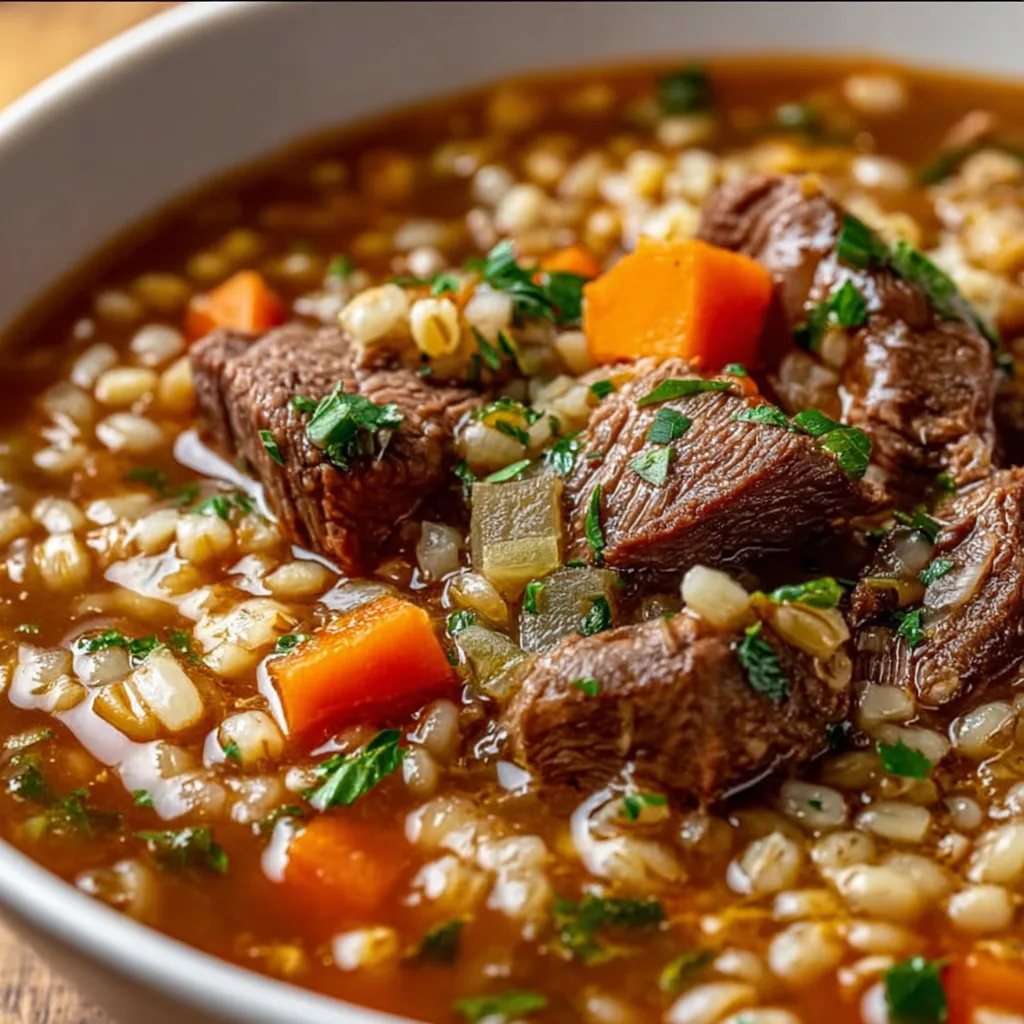
  • Beef and Barley Soup Recipe: Cozy, Hearty, and Irresistible!

    Beef and Barley Soup Recipe: Cozy, Hearty, and Irresistible!

    Beef and Barley Soup Recipe: Cozy, Hearty, and Irresistible!

    Beef and barley soup recipe holds a special place in my heart. On chilly evenings when the wind howls outside, I find myself gravitating toward this hearty, soul-warming bowl that combines tender chunks of beef, nutty barley, and a medley of vegetables in rich broth. There’s something magical about how the kitchen fills with that incredible aroma as it simmers away on the stove. This isn’t just soup—it’s a hug in a bowl that nourishes both body and spirit. I’ve perfected this recipe over countless Sunday afternoons, and I’m thrilled to share it with you today.

    Recipe

    Why You’ll Love This Beef And Barley Soup Recipe

    Perfect Balance of Flavors and Textures

    This beef and barley soup recipe delivers incredible depth without complicated techniques. The beef becomes melt-in-your-mouth tender, while the barley adds a pleasant chewiness that makes each spoonful satisfying. I love how the barley releases its starch, naturally thickening the broth to a silky consistency. The vegetables maintain just enough bite, and the herbs infuse everything with warmth. Last week, my neighbor stopped by while it was simmering and literally wouldn’t leave until I served her a bowl—that’s the power of these aromas!

    Make-Ahead Friendly & Budget Conscious

    One of my favorite aspects of this beef and barley soup recipe is how budget-friendly it is. It transforms inexpensive cuts of beef into something extraordinary through slow simmering. The soup actually improves with time as flavors meld, making it perfect for meal prep. I often make a double batch on Sundays, portioning it for lunches throughout the week. The barley keeps its texture beautifully, never turning mushy even after a few days in the refrigerator. Your wallet and schedule will thank you!

    Essential Tips & Tricks

    Selecting and Preparing Your Ingredients

    Choosing the right beef is crucial for this soup. I recommend chuck roast cut into 1-inch cubes—it has enough fat to stay tender and flavorful during cooking. For the barley, pearl barley works best as it cooks more quickly than hulled varieties while still retaining that wonderful nutty flavor. When preparing vegetables, aim for uniform sizes to ensure even cooking. I like to cut carrots slightly larger than celery since they take longer to soften. A quick tip: browning the beef in batches creates that essential flavor foundation that elevates this soup from good to exceptional.

    Perfecting the Cooking Process

    The key to outstanding beef and barley soup lies in layering flavors throughout the cooking process. Start by getting a good sear on your beef—don’t rush this step! Those browned bits on the bottom of the pot (fond) are flavor gold. Deglaze with a splash of red wine or broth, scraping up all those bits. Allow the barley to toast briefly in the pot before adding liquid; this simple step enhances its nutty profile. Simmer gently, never boiling vigorously, which can toughen the meat. Patience pays off here—the soup needs time to develop its rich character.

    Serving Ideas & Creative Variations

    Perfect Pairings & Garnishes

    This beef and barley soup recipe shines when served with a chunk of crusty bread for dipping into that rich broth. For an elevated experience, try topping each bowl with a dollop of sour cream, fresh dill, or a sprinkle of grated parmesan. When I’m feeling indulgent, I serve it with grilled cheese sandwiches made with sharp cheddar and caramelized onions—the combination is absolutely divine! For a complete meal, a simple side salad with a bright vinaigrette provides a refreshing contrast to the hearty soup. The acidity cuts through the richness beautifully.

    Exciting Flavor Variations

    While the classic version is wonderful, this soup welcomes creative twists. For a Mediterranean spin, add a can of diced tomatoes, olives, and finish with fresh basil. Craving something with heat? Incorporate some spice with diced jalapeños or red pepper flakes. My personal favorite variation includes wild mushrooms and a splash of sherry for an earthy, elegant version. You can also swap traditional barley for farro or wheat berries for different textures. For a lighter spring version, stir in fresh peas and lemon zest just before serving.

    Storage & Troubleshooting Guide

    Proper Storage & Reheating

    This beef and barley soup stores beautifully, often tasting even better the next day as flavors continue to develop. Allow it to cool completely before transferring to airtight containers in the refrigerator, where it will keep for 4-5 days. For longer storage, freeze in portion-sized containers for up to 3 months. When freezing, fill containers only ¾ full to allow for expansion. To reheat, thaw overnight in the refrigerator if frozen, then warm gently on the stovetop, adding a splash of broth if needed to adjust consistency. Avoid microwaving large portions as it can lead to uneven heating.

    Common Issues & Solutions

    If your soup seems too thin, there’s an easy fix: remove about ¼ cup of broth, whisk in 1 tablespoon of cornstarch until smooth, then stir this slurry back into the simmering soup. Another option is to mash some of the vegetables against the side of the pot. If your barley has absorbed too much liquid, simply add more broth or water. For beef that’s still tough, continue simmering on low heat—it likely needs more time to break down. If the soup tastes flat, brighten it with a splash of vinegar or lemon juice and adjust salt levels.

    Frequently Asked Questions

    Can I make beef and barley soup in a slow cooker?

    Absolutely! Brown the beef and sauté the aromatics first, then transfer everything to your slow cooker. Cook on low for 7-8 hours or high for 4-5 hours until the beef is tender and barley is cooked through.

    What’s the best cut of beef for this soup?

    Chuck roast is ideal for beef and barley soup because it has enough fat to become tender during cooking. Other good options include beef stew meat, brisket, or short ribs.

    Can I use quick-cooking barley instead of pearl barley?

    Yes, but add it during the last 15-20 minutes of cooking instead of at the beginning. Quick-cooking barley requires much less time to become tender.

    Is beef and barley soup freezer-friendly?

    Definitely! It freezes beautifully for up to 3 months. The barley may absorb more liquid upon thawing, so you might need to add extra broth when reheating.

    Can I make this soup vegetarian?

    Yes! Replace beef with mushrooms for umami flavor and use vegetable broth instead of beef broth. Add extra herbs and a splash of soy sauce for depth.

    Final Thoughts

    This beef and barley soup recipe has been my faithful companion through countless cold evenings and busy weeks. There’s something profoundly satisfying about creating such a nourishing meal from simple ingredients. The way it fills your home with comforting aromas is almost as rewarding as the rich, complex flavors in every spoonful. Whether you’re cooking for family, meal prepping, or simply treating yourself, this soup delivers heartfelt comfort in bowl form. I hope it brings as much warmth to your table as it has to mine! For more cozy recipes, visit our Pinterest page.